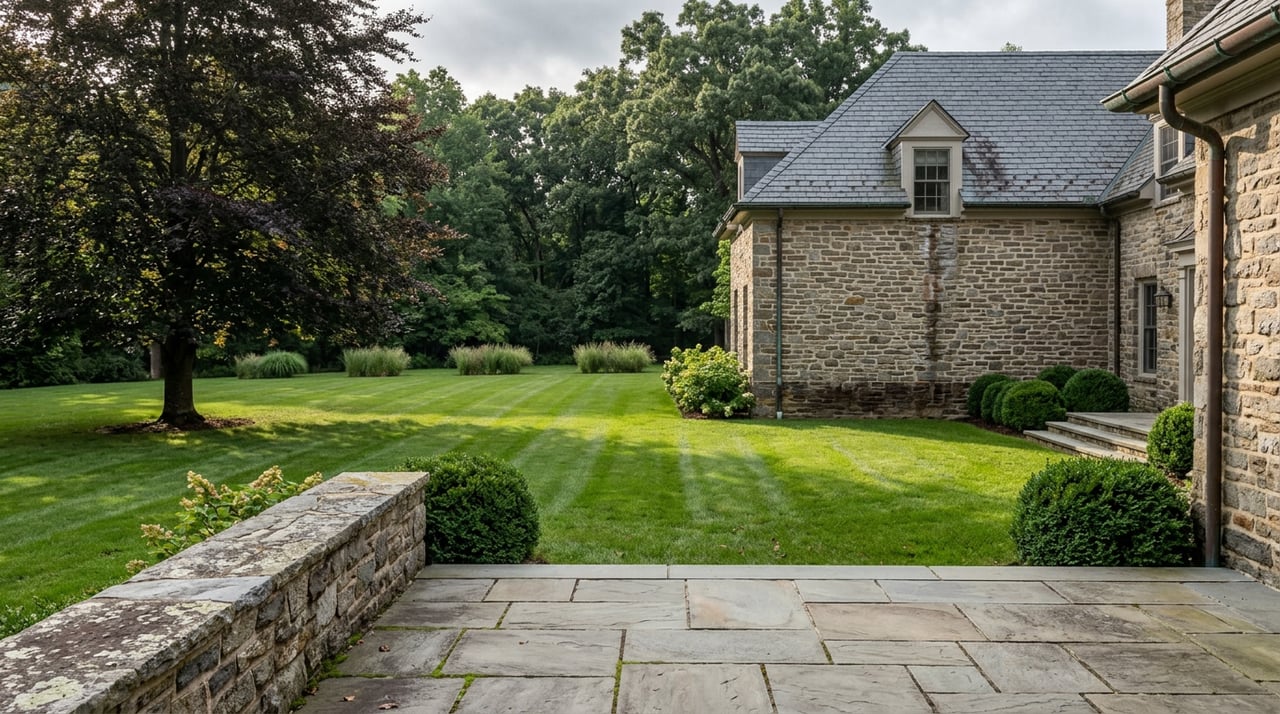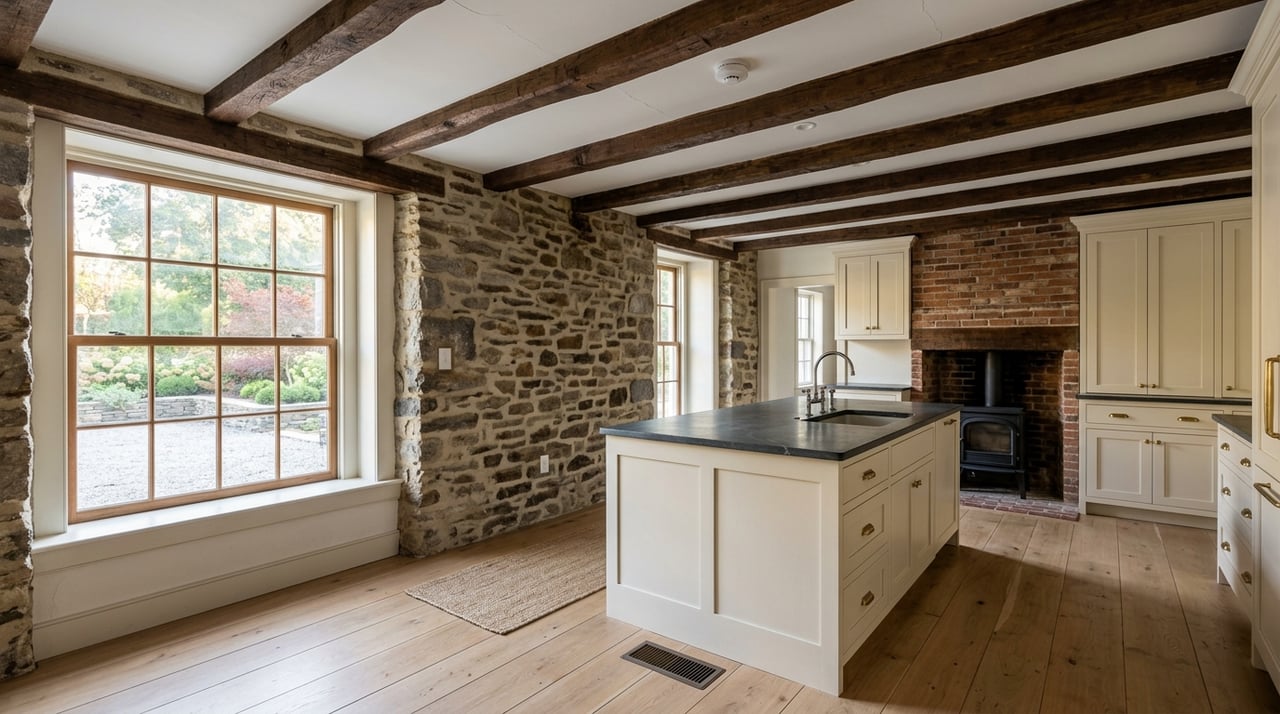
Buying a historic home in New Hope can feel exciting and a little daunting at the same time. You may be drawn to original stone walls, layered architecture, and the kind of character newer homes rarely match, but you also want to understand what comes with that charm. If you are considering a historic property here, it helps to know how local rules, inspection limits, flood considerations, and renovation realities can affect your decision. Let’s dive in.
Why New Hope Stands Out
New Hope has an unusually active preservation framework for a small borough. According to the borough, the local historic district map is available online and at Borough Hall, and the borough’s comprehensive plan notes that New Hope’s Historic District aligns with the officially designated district boundaries that generally correspond to the New Hope Village and Springdale Historic Districts. The same plan also notes two National Register historic districts in the borough and four individually listed properties.
That matters because New Hope is not just a place with a few old homes scattered around town. It has a dense older building stock with real historical depth. The National Register nomination records more than 20 surviving 18th-century structures and describes the borough’s architecture as a mix of vernacular and academic styles, which means many homes carry genuine historic significance even if they have changed over time.
Common Styles You May See
Historic homes in New Hope rarely fit into one simple box. Many have evolved over decades, or even centuries, through additions and updates. As you tour properties, it helps to recognize the broad architectural eras represented in the borough.
18th-century homes
Some of New Hope’s oldest surviving buildings reflect local interpretations of Georgian and Federal design. The National Register nomination for New Hope identifies Parry Mansion as a Federal-style example and points to buildings like the Wilkinson House and Stone Row as simpler early stone dwellings with vernacular forms.
If you are buying from this era, expect individuality rather than uniformity. These homes may have thick masonry walls, modest room proportions, and details that show adaptation over time rather than strict adherence to one style.
Early 19th-century homes
Greek Revival and Gothic Revival appear in New Hope, but not in large numbers. The National Register nomination says Greek Revival made only a limited impression locally, with examples such as the old Town Hall and the New Hope Grammar School, while Gothic Revival survives in a small number of buildings, including the Methodist church and a few North Main Street dwellings.
For buyers, that means homes from this period may feel more uncommon and more layered. You may also find distinctive outliers such as Cintra, which the nomination describes as having no close local precedent.
Mid- to late-19th-century homes
By the mid-1800s, Italianate became the preferred style in the borough. The same National Register source identifies the Logan Inn and several houses on Bridge and Ferry Streets as Italianate, while later examples include Second Empire buildings such as the Cook House, Queen Anne houses near North Main and West Bridge Street, and the 1891 railroad station as the borough’s Stick-style example.
In practical terms, many New Hope homes from this era blend original forms with later additions or stylistic layers. That can be part of the appeal, but it also means you should look carefully at what is original, what has been altered, and what maintenance those elements may require.
Check Historic District Status First
Before you fall in love with a porch, window line, or exterior facade, confirm whether the property sits inside the local historic district. The borough provides a zoning and historic district map, and this should be one of your first due diligence steps.
This is important because local regulation, not just age or appearance, can affect what you can change. A house may be old and charming, but the key question is whether it falls within the borough district where exterior work is subject to additional review.
Understand What HARB Reviews
If a property is in New Hope’s Historic District, exterior changes are the main issue. The borough says a Certificate of Appropriateness is required before zoning or building permits can be issued for exterior work in the district, and applications must be filed at least 21 business days before the monthly HARB meeting.
HARB review is limited to exterior features visible from a public right-of-way. The borough’s comprehensive plan also notes that demolition, relocation, facade changes, signage, exterior lighting, fencing, and similar exterior alterations may be reviewable. Interior work is exempt from HARB review, although standard permits may still apply.
For you as a buyer, this does not mean historic ownership is overly restrictive. It means you should understand the approval path before budgeting for exterior projects such as replacing windows, modifying a porch, changing a fence, or altering visible exterior materials.
National Register Status Is Different
A common point of confusion is the difference between National Register recognition and local historic-district regulation. The Pennsylvania Historical & Museum Commission explains that National Register listing does not restrict private property owners, require public access, or automatically trigger local zoning review.
In New Hope, the local ordinance and HARB process are what control exterior changes inside the borough district. So if you are evaluating a home, ask two separate questions: Is it recognized historically, and is it located within the locally regulated district?
Inspections Need To Go Beyond Standard
Older homes deserve more detailed due diligence. Pennsylvania’s Real Estate Seller Disclosure Law requires sellers to disclose known material defects, including issues involving the roof, basement and crawl space, termites and other wood-destroying insects, structural problems, additions and remodeling, water and sewage systems, plumbing, heating and air conditioning, electrical systems, soils and drainage, hazardous substances, and legal issues affecting title or use.
At the same time, Pennsylvania’s Home Inspection Law defines a home inspection as a noninvasive visual examination. It excludes items such as wood-destroying insects, septic systems, pools and spas, alarm systems, air and water quality, and environmental hazards. In a historic home, that often means the general inspection is only the starting point.
Specialty inspections to consider
Depending on the property, you may want to explore:
- Structural evaluation
- Roof evaluation
- Moisture or drainage review
- Electrical assessment
- Plumbing and sewer review
- HVAC assessment
- Wood-destroying insect inspection
- Lead-related evaluation where appropriate
The right mix depends on the house, but the goal is simple: understand condition clearly before you commit.
Lead Paint Is A Real Consideration
If the home was built before 1978, lead documentation should be part of the transaction. The EPA states that 87% of homes built before 1940 have some lead-based paint, and federal lead-disclosure rules apply to most pre-1978 housing.
That does not mean every older home is unsafe or unmanageable. It does mean you should assume lead may be present unless testing shows otherwise, especially in components such as original windows, trim, doors, porches, and older painted surfaces.
If you plan to renovate, the EPA also notes that renovation, repair, or painting in pre-1978 homes can create dangerous lead dust. Firms performing this work in covered housing must be certified and follow lead-safe practices.
Flood Risk Should Be Reviewed Early
Flood risk is another major local issue in New Hope. The borough participates in the National Flood Insurance Program, and it states that lenders must determine whether a property is in a Special Flood Hazard Area and require flood insurance when financing is secured there.
The borough’s National Flood Insurance Program page also states that the floodplain ordinance adopts FEMA Flood Insurance Study and Flood Insurance Rate Maps dated March 16, 2015, or the most recent revision, and that permits are required for work in identified floodplain areas.
If a historic home is near the river or in a lower-lying area, review flood-zone status early in the process. This can affect insurance costs, financing, renovation planning, and your long-term ownership budget.
Balance Charm With Practicality
Historic homes often ask you to think differently than newer construction. The appeal is real, but so are the tradeoffs. Original materials, layered design, and period details can make a property special, yet those same features may involve more maintenance, more careful renovation planning, and more coordination with local approvals for exterior work.
That is why the most useful questions tend to be practical. Is the property inside the local historic district? Which exterior changes will trigger HARB review? Is the home in a flood-prone area? What do the roof, structure, moisture management, plumbing, HVAC, electrical, and lead-related conditions actually look like?
When you answer those questions early, you can make a clear-eyed decision without losing sight of what drew you to the home in the first place.
What Smart Buyers Ask Early
If you are seriously considering a historic home in New Hope, keep this short checklist with you:
- Is the property located within the local historic district map?
- Are any visible exterior changes likely to require a Certificate of Appropriateness?
- Has the seller disclosed known defects involving structure, moisture, systems, or prior remodeling?
- What specialty inspections should be added beyond the general home inspection?
- Was the home built before 1978, and if so, what lead disclosures or testing information are available?
- Is the property in a Special Flood Hazard Area?
- Will flood insurance or floodplain permitting affect your ownership costs or plans?
A thoughtful purchase process is especially important with distinctive homes. In a place like New Hope, the right preparation helps you protect both your investment and the character that made the property worth pursuing.
If you are considering a historic home in New Hope or anywhere in the surrounding Delaware River Valley, working with an advisor who understands architectural character, local process, and property nuance can make the experience far more informed and far less stressful. When you are ready for strategic guidance, connect with Laurie Madaus.
FAQs
What should you check first before buying a historic home in New Hope?
- Confirm whether the property is inside New Hope’s local historic district, because that can affect exterior changes, permitting, and the HARB review process.
Does National Register status restrict changes to a New Hope historic home?
- Not by itself. According to PHMC, National Register listing does not automatically restrict private owners, while local historic-district rules in New Hope are what govern exterior changes within the borough district.
What inspections are most important for an older home in New Hope?
- In addition to a general home inspection, many buyers consider specialty reviews for structure, roof, moisture, electrical, plumbing, HVAC, wood-destroying insects, and lead-related issues depending on the property.
Do older homes in New Hope usually involve lead paint concerns?
- They can. If the house was built before 1978, federal lead-disclosure rules typically apply, and the EPA says lead-based paint is common in older housing, especially homes built before 1940.
Can flood risk affect a historic home purchase in New Hope?
- Yes. Flood-zone status can affect financing, insurance requirements, renovation planning, and long-term ownership costs, so it is wise to review that early in the process.
Do interior renovations in a New Hope historic home need HARB approval?
- Interior work is exempt from HARB review, but standard permits may still apply depending on the scope of the project.