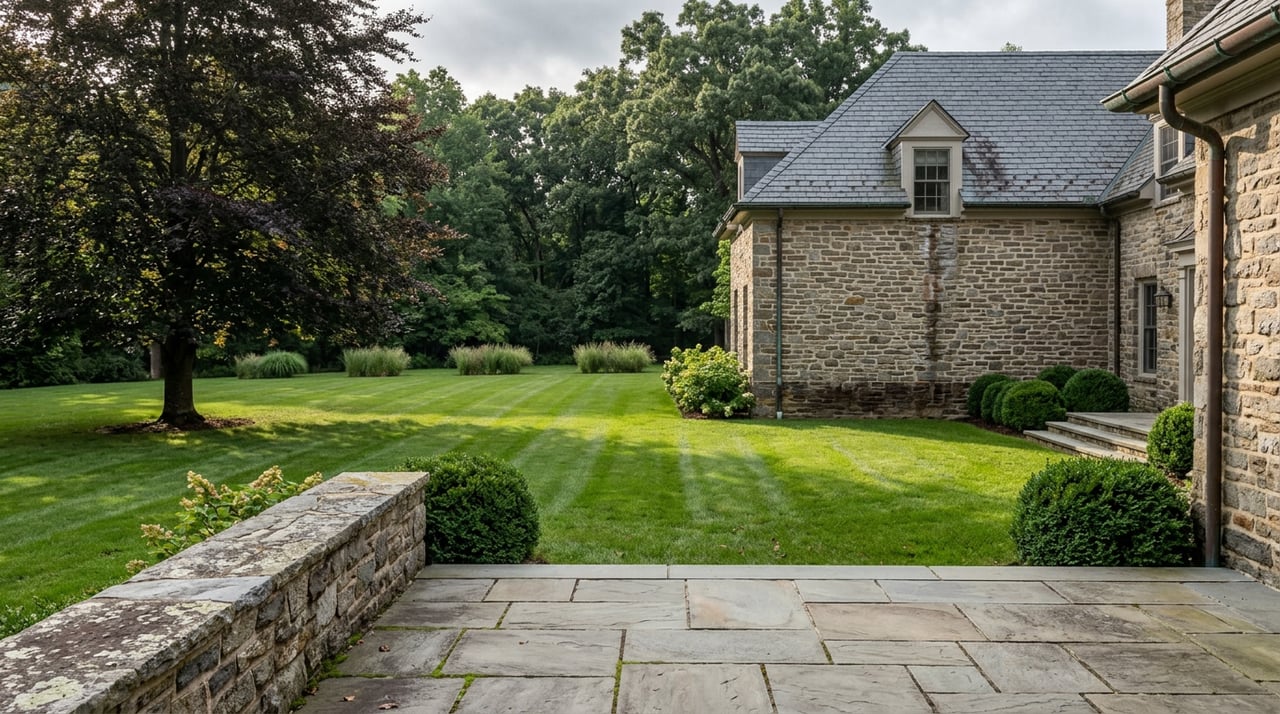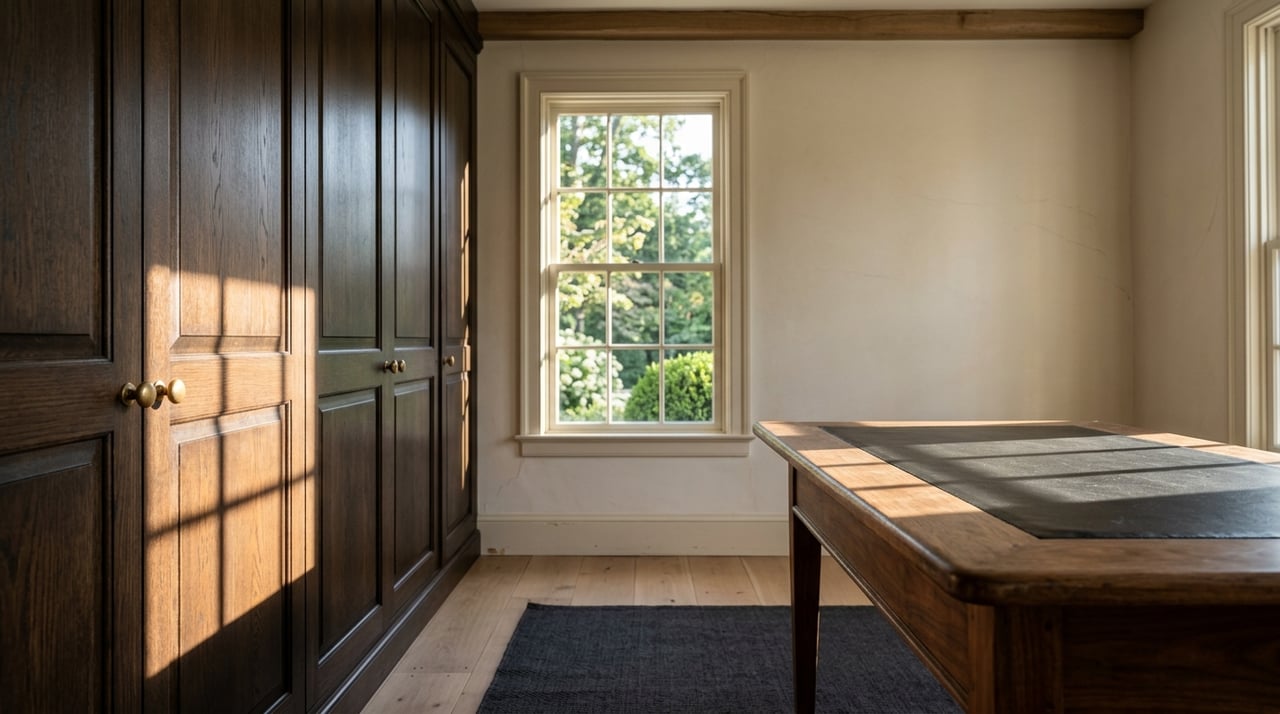
Selling an estate in New Hope does not always call for maximum visibility. In some cases, the smarter move is a quieter, more controlled launch that protects privacy while still reaching serious buyers. If you are weighing that path, it helps to understand what a quiet sale can do well, where it limits you, and how to prepare so you do not give up leverage by mistake. Let’s dive in.
Why a quiet sale can make sense
In New Hope, estate properties often sit in a category of their own. Redfin reported a median sale price of $1.233 million in March 2026 for New Hope, compared with $510,000 across Bucks County, and only six homes sold in that period. That small sample matters because broad county numbers can miss the reality of a luxury estate, historic home, or architecturally distinctive property.
A quiet sale should be viewed as a controlled-exposure strategy, not as a fallback for a weak listing. In the right situation, it allows you to protect privacy, reduce unnecessary traffic, and introduce the property in a more deliberate way. That can be especially useful when your home has niche value tied to acreage, river proximity, historic character, or unusual design.
At the same time, privacy comes with a tradeoff. The broader MLS system is designed to expose a listing to the largest pool of buyers through other agents and public sites. If you choose a quieter path, your pricing, preparation, and buyer targeting need to be sharper because you are intentionally narrowing the audience.
Know your quiet-sale options
Office exclusive
An office exclusive listing is not publicly marketed. Under the current policy framework, this option allows a seller to keep the property out of public view, but the seller must sign a disclosure acknowledging that they are waiving the benefits of broad MLS and public marketing.
In Bright MLS, which covers Bucks County, an office exclusive is not publicly disseminated to other brokers’ subscribers. Bright also requires submission within two calendar days, and if the property is publicly marketed, it must become active within one business day.
Delayed marketing exempt listing
A delayed marketing exempt listing is filed with the MLS, but public exposure through IDX and syndication is delayed for a period allowed by the local MLS. This can be useful if you want the structure of an MLS entry without immediate broad public distribution.
As with an office exclusive, the seller must understand that delaying exposure means delaying access to the full market. It is a strategic choice, not a neutral one.
Coming Soon in Bright MLS
Bright MLS also offers a Coming Soon status. This is different from a true private listing because it is designed for premarketing, but no showings are allowed during that period, including by the listing office.
Bright’s published rules limit Coming Soon to 21 days except in certain new-construction or major-renovation cases. If you are trying to quietly build interest while finishing preparation, this can be useful, but it is not the same as privately showing the property to select buyers.
What counts as public marketing
This is where many sellers need clarity. Bright defines public marketing broadly, including yard signs, flyers, and digital marketing on public-facing websites, including brokerage website displays and IDX exposure.
That means you cannot treat a listing as private while also promoting it in public-facing ways. If your goal is true discretion, the communication plan needs to be intentional from day one.
NAR also draws an important line between one-to-one broker communication and broader promotion. One-to-one communication between brokers does not trigger clear cooperation, while multi-brokerage communications do count as public marketing. In practice, that means a quiet sale stays quieter when the outreach is selective and documented in advance.
Price for a smaller audience
Pricing matters in any sale, but it matters even more when exposure is limited. Because the MLS reaches the largest pool of prospective buyers, a quiet-sale strategy usually calls for a more precise and defensible pricing approach.
In New Hope, that means relying on the right comparable sales. A broad county median is not enough for an estate or historic home in a high-value micro-market. With so few local sales, each relevant comp carries more weight, so the pricing conversation should focus on homes that truly match the property’s scale, condition, architecture, setting, and buyer appeal.
This is one place where local market intelligence really matters. If your home is being sold quietly, you usually do not get the same volume of market feedback that a fully exposed listing might generate. The initial strategy has to do more of the work.
Prepare before the first showing
A quiet sale does not reduce your obligations. Under Pennsylvania law, sellers must disclose all known material defects that are not readily observable. The state defines a material defect as a problem that would significantly affect value or create an unreasonable risk to people on the property.
In other words, discretion is not a shortcut around disclosure. In fact, the quieter the launch, the more important it is to have your information organized before the first private showing.
For many New Hope estate sellers, a strong pre-list package includes:
- Seller disclosure forms completed carefully
- Repair and service records
- Permit history
- Survey information, if available
- Title exception information
- A clear list of known issues
When you have fewer buyers coming through, delays can cost more. A well-prepared file helps serious buyers move with confidence and keeps the process calmer and cleaner.
Plan ahead for historic homes
If your property is in New Hope Borough’s historic district, timing can become a major part of the sale plan. The Borough says owners should first confirm whether the property is in a historic district, then submit a Certificate of Appropriateness application at least 21 business days before the monthly HARB meeting.
Zoning and construction-code permit applications should also be filed early enough for compliance review before HARB consideration. That means even relatively modest exterior improvements may require more lead time than sellers expect.
If you are preparing a historic home for market, start with approvals and permits rather than cosmetic work alone. A polished presentation is valuable, but it works best when the underlying paperwork and timeline are already in order.
Screen buyers the right way
Privacy works best when access is limited to qualified buyers. The most defensible standard is financial readiness.
The CFPB explains that a preapproval letter shows a lender is tentatively willing to lend up to a certain amount and that sellers often require one before accepting an offer. In a quiet sale, asking for preapproval or other financial qualification before a showing is a practical way to reduce unnecessary traffic and focus your time on serious prospects.
Just as important, the screening process must be objective and consistent. The Pennsylvania Human Relations Commission says housing discrimination is unlawful in the sale, purchase, or financing of housing, including on the basis of race, color, religion, sex, ancestry, national origin, disability, age, familial status, and guide or support animal dependency.
That means a discreet showing plan should be built around neutral criteria, applied consistently to everyone. Privacy and professionalism go hand in hand.
Understand the cost side early
One detail that should be part of your planning from the start is transfer tax. Pennsylvania imposes a 1% state realty transfer tax, and Bucks County notes that the combined transfer tax on Pennsylvania property sales is generally 2%, with the local portion split between the municipality and school district.
For a New Hope estate, that can be a meaningful number. The exact amount for a specific property should be confirmed with the title company or closing agent, but it belongs in the net-sheet conversation early, not at the end.
When a quiet sale works best
A private or semi-private sale can be a strong option when your goals include privacy, reduced disruption, and more deliberate buyer targeting. It can also fit properties with a niche audience, where broad exposure is not always the only path to a strong outcome.
Still, the strategy works best when it is chosen for the right reasons. If the property needs broad competition to find its best buyer, public exposure may be the stronger move. The real question is not whether a quiet sale sounds elegant. It is whether the exposure level matches the property, the market, and your priorities.
For distinctive New Hope estates, the answer often comes down to disciplined planning. The right comparable set, the right prep work, the right buyer filters, and the right communication plan can make a controlled launch feel intentional rather than limiting.
If you are considering a discreet sale in New Hope or the surrounding Delaware River Valley, working with an advisor who understands luxury pricing, architectural nuance, and privacy strategy can make the process far more effective. Laurie Madaus offers thoughtful guidance for estate, historic, and uniquely positioned properties where careful planning matters.
FAQs
What is an office exclusive sale in New Hope?
- An office exclusive is a listing that is not publicly marketed. The seller signs a disclosure acknowledging they are waiving broad MLS and public exposure.
What is delayed marketing for a New Hope home sale?
- Delayed marketing means the listing is filed with the MLS, but its public exposure through IDX and syndication is postponed for a set period allowed by the local MLS.
What is Bright MLS Coming Soon status?
- Bright MLS Coming Soon is a premarketing status that allows a listing to appear before going active, but no showings are allowed during that period, including by the listing office, and the status is generally limited to 21 days.
Does a quiet sale change Pennsylvania disclosure rules?
- No. Pennsylvania sellers still must disclose all known material defects that are not readily observable.
How should buyers be screened for a private estate showing?
- Use objective financial criteria, such as a preapproval letter or other proof of financial readiness, and apply the same standards consistently.
How should a New Hope estate be priced for a quiet sale?
- Pricing should be based on direct comparable sales for similar luxury, historic, or otherwise distinctive properties rather than relying on broad county medians alone.
Do historic New Hope homes need extra prep time before listing?
- Yes. If the property is in the Borough’s historic district, some exterior work may require a Certificate of Appropriateness and added review time before improvements can move forward.
What transfer tax should sellers expect on a New Hope property sale?
- Pennsylvania imposes a 1% state realty transfer tax, and Bucks County notes that the combined transfer tax is generally 2%, though the exact amount should be confirmed for the specific property.