If you market a Solebury farmhouse like any other home, you risk missing the buyer who will value it most. In this part of Bucks County, buyers are often drawn to land, privacy, architectural character, and the experience a property offers, not just bedroom counts and square footage. When you understand how Solebury’s market works, you can position a farmhouse in a way that feels clear, credible, and compelling. Let’s dive in.
Why buyer fit matters in Solebury
Solebury is not a typical suburban resale market. Census data shows a 2024 population of 8,685, a median household income of $185,341, and a 94.2% owner-occupied rate, all signs of a small, affluent, ownership-heavy community with relatively low turnover.
That matters when you prepare a farmhouse for sale. In a market where many residents stay put and housing inventory can feel limited and specialized, the right buyer is often not looking for a starter home. More often, they are a repeat or equity-rich buyer seeking a property with privacy, land, and lasting character.
National buyer trends support that view. The 2025 buyer profile found first-time buyers made up just 21% of the market, repeat buyers had a median age of 62, and 26% of purchases were all-cash. In Solebury, that points to a buyer pool that may be financially strong but highly selective.
Frame the farmhouse as a lifestyle property
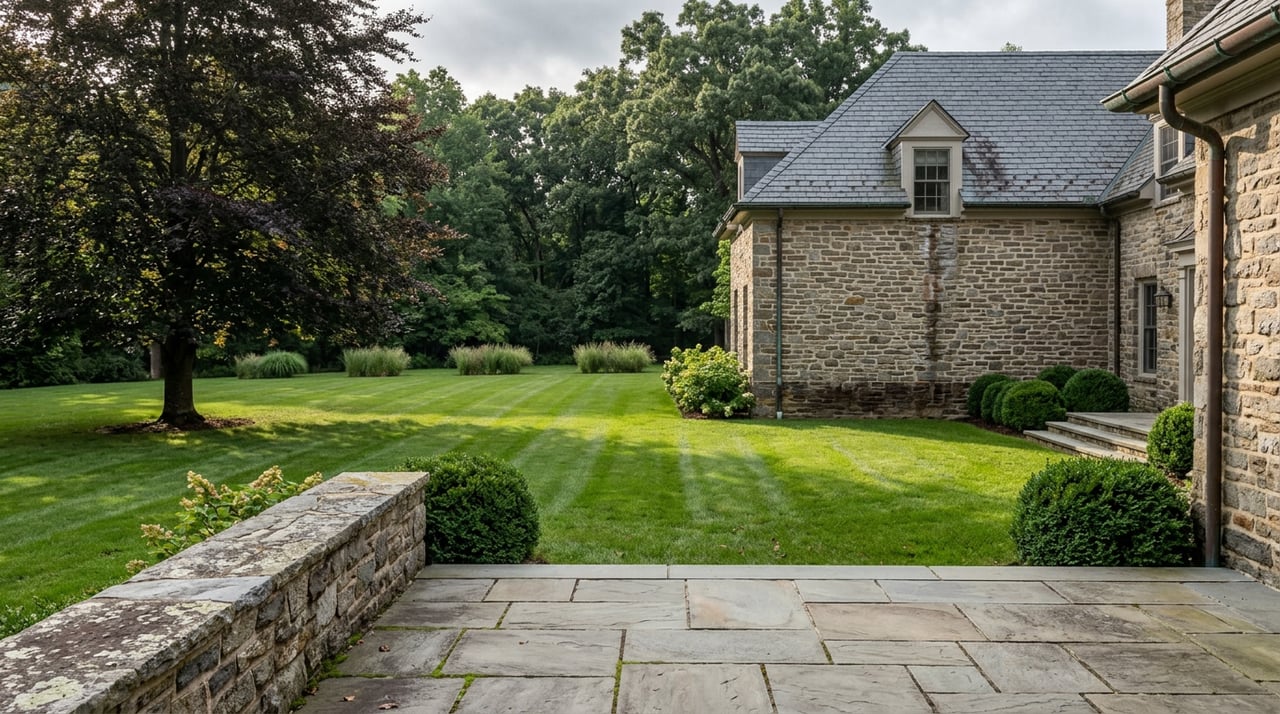
A Solebury farmhouse should be presented as more than a house with acreage. The setting, arrival, views, porches, outbuildings, and relationship to the land all help define value.
That approach fits the local landscape. Township materials say nearly 40% of Solebury’s land is protected in some form, with preservation efforts focused on open space, water, historic features, and rural character. When you sell a farmhouse here, you are also selling its place within a preservation-minded township identity.
This is one reason generic marketing often falls flat. If the listing reads like a standard suburban home description, it can miss what makes the property special. The strongest positioning helps buyers picture how the home lives, how the land functions, and why the setting feels hard to replace.
Highlight the experience of arrival
First impressions matter even more with country properties. A gated drive, mature trees, approach to the house, and the first exterior view can shape how buyers interpret everything that follows.
For many farmhouse buyers, the experience begins before they step inside. A thoughtful presentation should make that sequence feel intentional, whether the property is defined by a long drive, courtyard approach, garden entry, or open pastoral view.
Show how the land and house work together
Larger lots and acreage matter to a segment of buyers, and in Solebury the site itself is part of the product. That means your presentation should explain not only that the property has land, but how that land supports daily living.
You may need to show how outdoor spaces connect to the kitchen, how porches extend entertaining, how outbuildings add function, or how views and open space create privacy. Buyers shopping in this category often respond to usefulness and atmosphere together.
Address rural home realities early
One of the best ways to attract the right buyer is to remove uncertainty. With older rural homes, buyers often have practical questions very early in the process, and clear answers can build trust.
In Solebury, most homes rely on private wells and on-lot septic systems. Township materials state that most residents get drinking water from ground wells, only a small portion along Route 202 is connected to public sewer, and most wastewater is handled by septic tanks on individual properties.
These are not unusual conditions for country properties in the area. They are simply part of the ownership profile, and buyers usually respond better when those realities are explained calmly and directly.
Be ready with well and septic details
The township requires septic systems to be pumped and visually inspected every three years. The Pennsylvania Department of Environmental Protection also notes that private wells are the homeowner’s responsibility, and Bucks County offers residential water testing and a residential well inspection program.
Before listing, gather whatever documentation you have. Buyers will want to know when the septic was last pumped and inspected, when the well was last tested, and whether there have been any known service issues or upgrades.
Explain maintenance without creating alarm
Older farmhouse buyers usually expect some level of stewardship. What they do not want is vague information, missing paperwork, or a sense that they will have to discover key facts on their own.
Solebury’s own materials note that steep slopes, poor soils, and high water tables can contribute to on-lot system issues. That does not mean every property has a problem. It means informed buyers will appreciate accurate, property-specific information delivered up front.
Understand preservation and approval questions
In Solebury, buyer questions are often about more than finishes and floor plans. They may also involve land use, preservation restrictions, and whether future changes could require review.
That is especially true because preservation plays such a visible role in the township. In addition to protected land, Solebury has two regulated historic districts, Carversville and Phillips' Mill, and township materials describe the Upper Aquetong Valley as one of the few pristine examples of early farming settlements in southeastern Pennsylvania.
Know whether restrictions apply
If a property is subject to a conservation easement or another preservation-related restriction, buyers need to understand that clearly. The same goes for any historic-district review requirements that may affect exterior changes.
Township planning information indicates that HARB review applies in the Carversville and Phillips' Mill historic districts. If your farmhouse is within one of those districts, or has had prior approvals for exterior work, organize those records before going to market.
Prepare a clean paper trail
The right buyer will often ask practical permission-based questions early. They may want to know what work was permitted, which approvals are on file, and whether any future changes could need township review.
A strong seller presentation can include:
- Dates of well testing
- Dates of septic pumping and inspection
- Records of permits for major exterior or site work
- Any historic-district approvals on file
- Information on conservation easements or preservation restrictions, if applicable
For homes built before 1978, federal law also requires lead-based paint disclosure and delivery of the EPA lead hazard pamphlet. That is standard compliance, but it is still best handled in an organized and timely way.
Build the online listing like a first showing
In Solebury, the digital presentation is not secondary. It is often the first real showing.
That is especially true in a township where Census data reports 99.0% of households have a computer and 98.5% have broadband. Buyers are likely to study the listing carefully before deciding whether the property is worth an in-person visit.
NAR reports that nearly half of interested buyers begin their search online. It also recommends listing packages that include strong photos, video, virtual tours, floor plans, and transparent disclosure of known issues.
Lead with the most telling images
In 2025, 81% of buyers said listing photos were the most useful feature in the online search. For a Solebury farmhouse, those images should not begin and end with interior corners and wide-angle room shots.
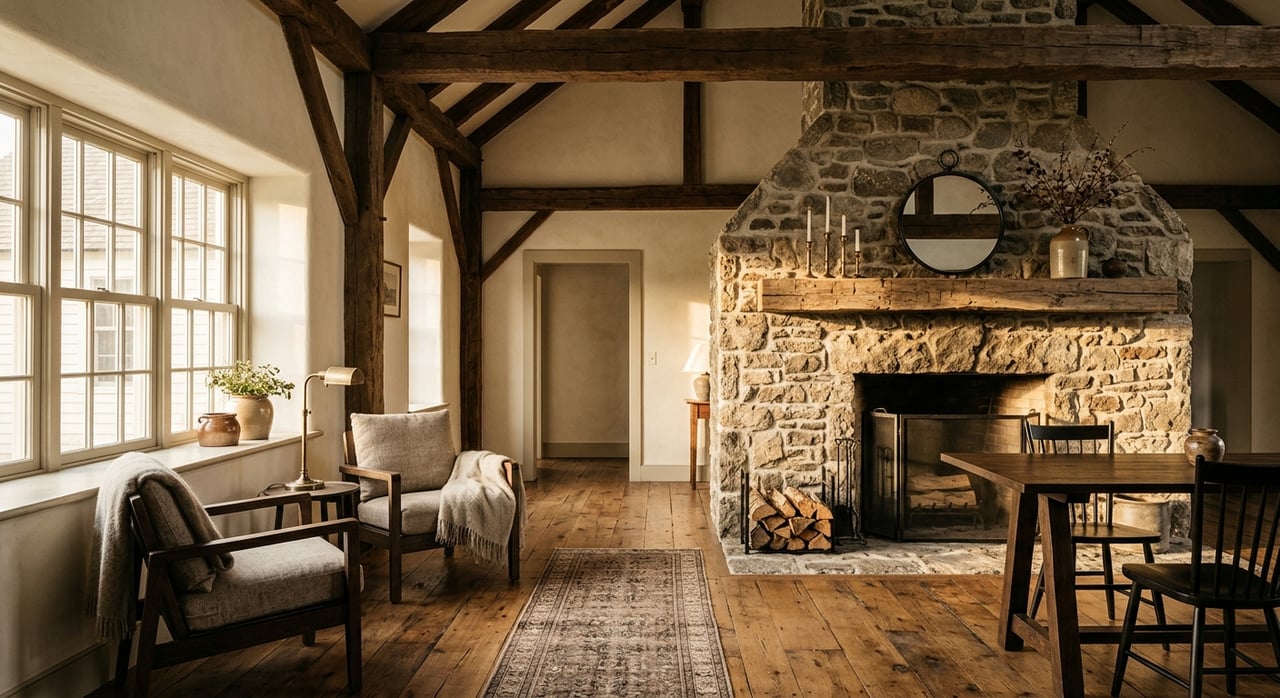
Instead, the first image set should capture the elements that define the property: the approach, exterior character, land, light, views, and the rooms that best express the home’s personality. If the house has a remarkable porch, kitchen, hearth room, barn, terrace, or long-distance landscape view, those should help lead the story.
Use copy that helps buyers imagine life there
Narrative-style listing copy can help buyers envision daily life in the home. That matters with a farmhouse, where emotional connection often comes from how the property feels as a whole, not from a checklist alone.
Good copy should explain how the spaces relate to each other and what kind of living the home supports. It should also stay grounded, clear, and factual. The goal is not to oversell. It is to give the right buyer a believable picture of ownership.
Stage for clarity, not perfection
Staging can be especially effective for distinctive homes because it helps buyers understand scale, use, and flow. NAR’s staging profile found that 83% of buyers’ agents said staging made it easier for buyers to envision the home as their future home.
The same research found that 29% of agents saw staging lead to a 1% to 10% increase in offered value, while 49% saw reduced time on market. For a farmhouse, that does not mean stripping every room of character. It means presenting the character in a way that feels legible and inviting.
Focus on what helps buyers see value
NAR defines staging as cleaning, decluttering, repairing, depersonalizing, and updating the home so buyers can picture themselves there. In a farmhouse, that often means making sure textures, proportions, and architectural details are easy to read.
A few priorities usually matter most:
- Clear surfaces and simplified rooms
- Repaired minor defects that distract in photos
- Furnishings scaled to show room purpose
- Lighting that brings warmth without hiding detail
- Outdoor areas arranged to show use and flow
The right staging should support the architecture, not compete with it.
Anticipate the buyer’s first questions
The buyer most likely to pursue a Solebury farmhouse seriously is usually evaluating fit, maintenance, and long-term practicality at the same time. They may love the romance of an older country house, but they still want confidence in what they are buying.
NAR’s 2025 generational trends report says buyers most often prioritize neighborhood quality, convenience to friends and family, overall affordability, and for some buyers, larger lots or acreage. In Solebury, that often translates into questions about privacy, stewardship, commute patterns, and whether the property’s character justifies the ongoing care it may require.
The best positioning answers those concerns before they become objections. That means presenting the home with warmth, but also with documentation, context, and a realistic understanding of what today’s buyer values.
Why strategy matters for unique homes
A Solebury farmhouse usually needs more than broad exposure. It needs the right framing, the right level of detail, and the discipline to speak to a buyer who already has choices.
That is where tailored strategy matters. When the marketing reflects architectural character, local land-use realities, and the expectations of a selective buyer pool, you are far more likely to attract serious interest and protect value.
Selling a distinctive property is rarely about appealing to everyone. It is about helping the right buyer understand why this home, in this setting, is worth pursuing.
If you are preparing to sell a farmhouse or other distinctive property in Solebury or the surrounding Bucks County market, Laurie Madaus offers the strategic guidance, architectural sensibility, and tailored presentation these homes deserve.
FAQs
What kind of buyer is most likely to purchase a Solebury farmhouse?
- In Solebury, the likely buyer is often a repeat or equity-rich buyer looking for privacy, land, and architectural character rather than a first-time buyer looking for a standard suburban resale.
What should sellers disclose about a Solebury farmhouse’s well and septic?
- Sellers should be prepared to share available records on well testing, septic pumping, septic inspections, and any known maintenance history, since private wells and on-lot septic systems are common in Solebury.
What makes marketing a farmhouse in Solebury different from marketing a typical house?
- A Solebury farmhouse should be marketed as a lifestyle and land-based property, with strong attention to setting, preservation context, architectural character, and how the home and site function together.
What listing photos matter most for a Solebury farmhouse sale?
- The most important photos usually include the arrival sequence, exterior character, land, views, natural light, and the rooms or features that best express the property’s character and use.
What documents should sellers gather before listing a farmhouse in Solebury?
- Helpful documents can include well and septic records, permit history, any historic-district approvals, and information about conservation easements or other preservation-related restrictions, if they apply.
What should sellers know about historic-district rules in Solebury?
- If a property is in the Carversville or Phillips' Mill historic districts, township materials indicate that HARB review may apply to certain exterior changes, so sellers should gather any related approvals or records before listing.