If you are drawn to the New Hope area, one question usually comes up fast: do you want the energy of New Hope Borough or the wider, quieter landscape of Solebury Township? Both sit side by side in Bucks County, and both offer character, history, and access to the Delaware River corridor. The difference is how you want to live day to day, and that choice can shape everything from your home search to your renovation plans. Let’s dive in.
New Hope vs. Solebury at a glance
New Hope Borough is compact, walkable, and centered around a lively downtown. Borough materials describe a village core with an urban setting, a dense mix of land uses, a small-town atmosphere, and scenic corridors like Aquetong Creek and Ingram Creek running through the area.
Solebury Township is much larger and more landscape-oriented. Township materials describe a setting of small farms, estate lots, comfortable homes, open space, and a strong conservation ethic. The township also notes that 3,868 acres have been protected, with 38.5% of township land enjoying some form of protection.
In simple terms, New Hope tends to appeal to buyers who want convenience, walkability, and activity close at hand. Solebury often suits buyers who want more land, more privacy, and a setting shaped by preserved views and village character.
Choose New Hope for downtown living
If you picture yourself walking to coffee, dinner, shops, or a show, New Hope has the clearer fit. Official visitor information highlights shops, cafes, nightlife, annual events, a visitor center, and a strong arts-and-culture identity. Visit Bucks County also points to Main Street shopping, riverside dining, the Bucks County Playhouse, the New Hope Arts Center, the Delaware Canal towpath, and the New Hope Railroad.
That creates a very specific rhythm of life. You can enjoy a more connected daily routine, with many destinations close together and a stronger sense of activity around the borough core. For some buyers, that walkable energy is the reason to choose New Hope in the first place.
It is also worth noting that New Hope is a regional visitor destination. Borough materials openly acknowledge weekend visitor traffic, along with parking management through on-street spaces, borough lots, and private lots. If you enjoy bustle, that may feel exciting. If you prefer a quieter pace, it is something to weigh carefully.
What housing feels like in New Hope
New Hope offers more variety than many buyers expect. The borough includes single-family detached homes on smaller lots, along with twins, townhouses, apartments, and older detached homes near downtown.
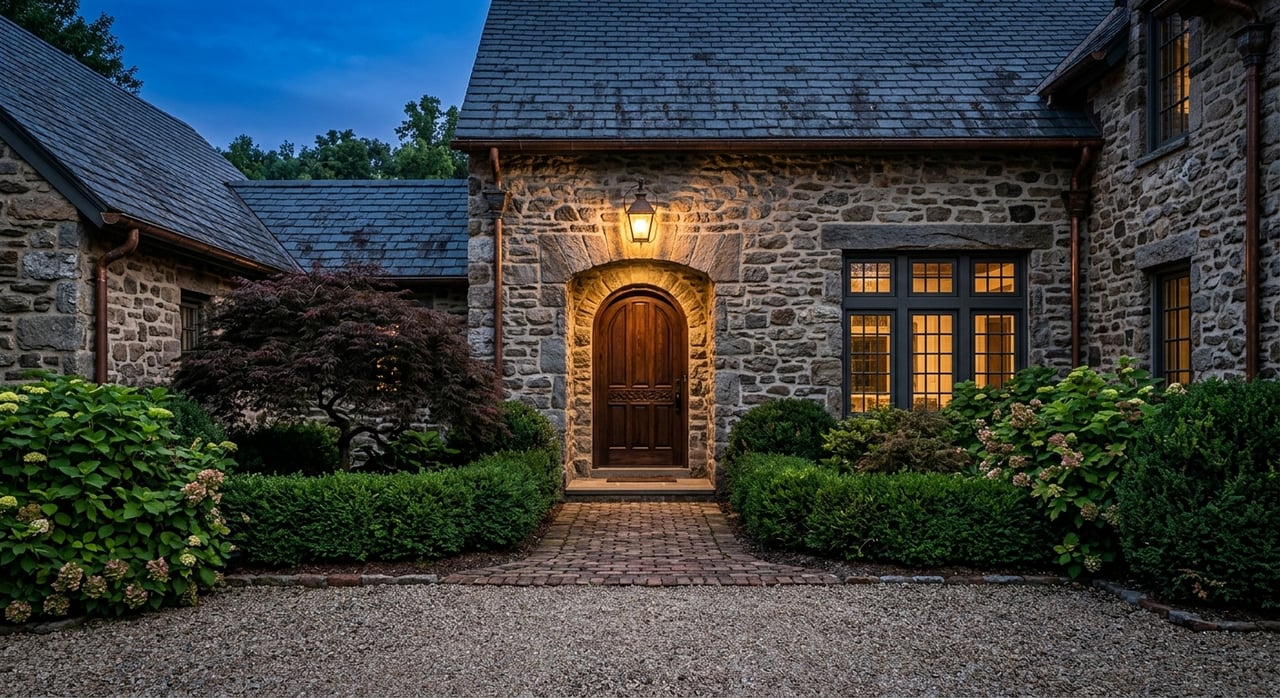
Architecturally, the New Hope Historic District includes Georgian, Colonial Vernacular, Federal, Italianate, Gothic Revival, French Second Empire, Queen Anne, Colonial Revival, Tudor Revival, American Four-Square, and Vernacular styles. That range gives buyers a broad mix of options, from compact in-town properties to homes with strong historic presence.
For buyers who appreciate architecture, this can be a major draw. You may find a home with real personality and detail, not just a convenient address. At the same time, older homes can bring different upkeep needs, renovation choices, and long-term planning than newer construction.
Historic review matters in New Hope
New Hope’s Historic Architectural Review Board reviews exterior changes visible from a public street within the historic district. For a buyer, that means your decision is not only about location or style. It is also about your comfort with design oversight if you plan to make changes.
That is not a drawback for everyone. Many buyers value the consistency and character that come with preservation review. Still, if flexibility is high on your list, it is smart to understand how those rules may affect future updates before you commit.
Choose Solebury for space and landscape
Solebury offers a different kind of appeal. Rather than one concentrated downtown, it feels more dispersed, with historic villages settled around crossroads, waterways, and mill sites. That village-based pattern helps explain why Solebury often feels more rural, more layered, and more connected to the land.
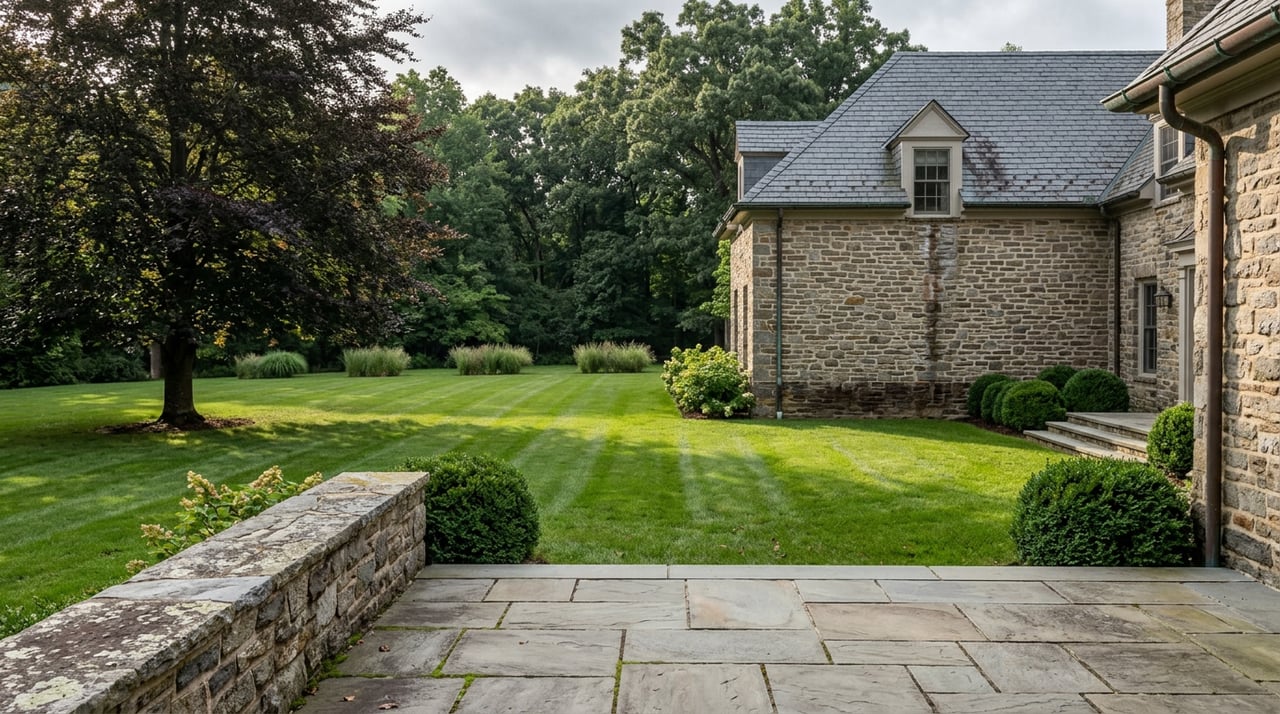
The township’s preservation story is a major part of that experience. With a large share of protected land, Solebury has a setting defined by open space, countryside views, and a stronger sense of separation between homes in many areas. If you want room to breathe, this is often where your search becomes more interesting.
For design-conscious buyers, Solebury can be especially compelling. The housing story here is not just about square footage. It is about setting, approach, land, and the way a home sits within a broader historic landscape.
What housing feels like in Solebury
Solebury’s housing character is tied closely to its villages and rural parcels. Carversville includes many 18th-century, Federal, and Victorian homes. Phillips Mill is described by the township as one of the best-preserved mid-18th-century milling villages in America. Lumberville retains a 19th-century mill village feel, and Cuttalossa preserves a creek-valley landscape long associated with Pennsylvania Impressionists.
Beyond those villages, the township describes a broader mix of small farms, estate lots, comfortable homes, and open space. In practical terms, Solebury often gives buyers more land and more visual privacy than the borough. That can make a big difference if you are looking for a country residence, a farm setting, or a property with a more tucked-away feel.
Historic review matters in Solebury too
Solebury also uses preservation tools to protect its character. The township says renovations and new construction in Carversville and Phillips Mill must be reviewed, and it uses setbacks and buffers in historic areas so properties remain in their natural setting.
The key difference is that this review structure is more concentrated in certain historic areas, rather than applied in the same borough-style way you see in New Hope’s historic district. If you are considering a village property in Solebury, you will still want to evaluate any design restrictions early in the process.
Compare the day-to-day lifestyle
When buyers are deciding between New Hope and Solebury, the choice often comes down to daily habits. Where do you want to spend your time? How much activity feels enjoyable, and how much feels like noise?
New Hope is usually the stronger fit if you want restaurants, galleries, theater, events, and a more walkable social core built into your routine. Solebury is often the stronger fit if you want your routine shaped by trails, open space, preserved land, and a quieter residential environment.
Both places offer strong outdoor access. Solebury’s recreation materials highlight Aquetong Spring Park, Canal Park, Solebury Green, Solebury Park, Solebury Trail, Bowmans Hill Wildflower Preserve, the Bucks County Audubon Society, Delaware Canal State Park, Virginia Forrest State Park, and Washington Crossing Historic State Park. The Delaware Canal towpath also runs through the area and connects nearby parkland and historic villages.
That means outdoor recreation is not an either-or choice. The real question is whether you want that access paired with a lively borough core or with a broader rural backdrop.
What buyers usually compare first
Here are the tradeoffs many buyers weigh early in the search:
- Walkability: New Hope has the stronger downtown walkability story, with interconnected neighborhoods and a denser mix of uses.
- Space and privacy: Solebury often suits buyers looking for acreage, estate settings, or a more rural visual experience.
- Housing variety: New Hope offers a broader mix of property types, while Solebury leans more toward village homes, country properties, and larger parcels.
- Historic-review tolerance: Both areas have preservation rules, but the scope and setting can differ depending on the property.
- Weekend pace: New Hope has more visitor activity and more bustle, especially on weekends.
- Landscape feel: Solebury places more emphasis on open space, preserved land, and homes set within a natural setting.
How to decide which setting fits you
A clear way to choose is to think beyond the house itself. Start with the life you want around the house. The right answer often becomes clearer when you focus on how you want ordinary days to feel.
New Hope may be the better fit if you want to leave the car behind more often, enjoy a compact setting, and stay close to dining, culture, and activity. Solebury may be the better fit if you want more land, more quiet, and a stronger sense of retreat without leaving the New Hope area behind.
For buyers considering historic homes, farms, estates, or architecturally distinctive properties, the details matter even more. A charming address is only part of the story. Design review, lot setting, village context, and long-term property goals all deserve close attention before you make a move.
In a market like this, nuance matters. Two homes may be only minutes apart but offer very different living experiences. That is why local insight, architectural understanding, and careful property matching can make such a difference.
If you are weighing New Hope against Solebury and want a strategic, property-specific perspective, Laurie Madaus can help you evaluate the setting, lifestyle, and home type that best fit your goals.
FAQs
What is the main lifestyle difference between New Hope and Solebury?
- New Hope offers a more compact, walkable, amenity-rich downtown setting, while Solebury offers a more rural, landscape-centered setting with villages, open space, and greater separation between homes in many areas.
Is New Hope or Solebury better for walkability?
- New Hope has the stronger walkability story, especially near the borough core, while Solebury’s walkable experiences are more focused around villages, parks, and trail corridors.
Does New Hope have more housing variety than Solebury?
- Yes. New Hope includes single-family homes, twins, townhouses, apartments, and older detached homes near downtown, while Solebury is more associated with village homes, farms, estate lots, and country properties.
Do New Hope and Solebury both have historic review rules?
- Yes. New Hope reviews exterior changes visible from a public street within its historic district, while Solebury reviews renovations and new construction in certain historic areas such as Carversville and Phillips Mill.
Is Solebury a better choice if you want more land?
- In many cases, yes. Solebury is more closely associated with small farms, estate lots, open space, and homes with more separation and a stronger rural setting.
Is New Hope a better fit if you want restaurants and entertainment nearby?
- Yes. Official materials highlight New Hope’s shops, cafes, nightlife, arts venues, annual events, and riverfront dining, making it the stronger fit for buyers who want those amenities close at hand.