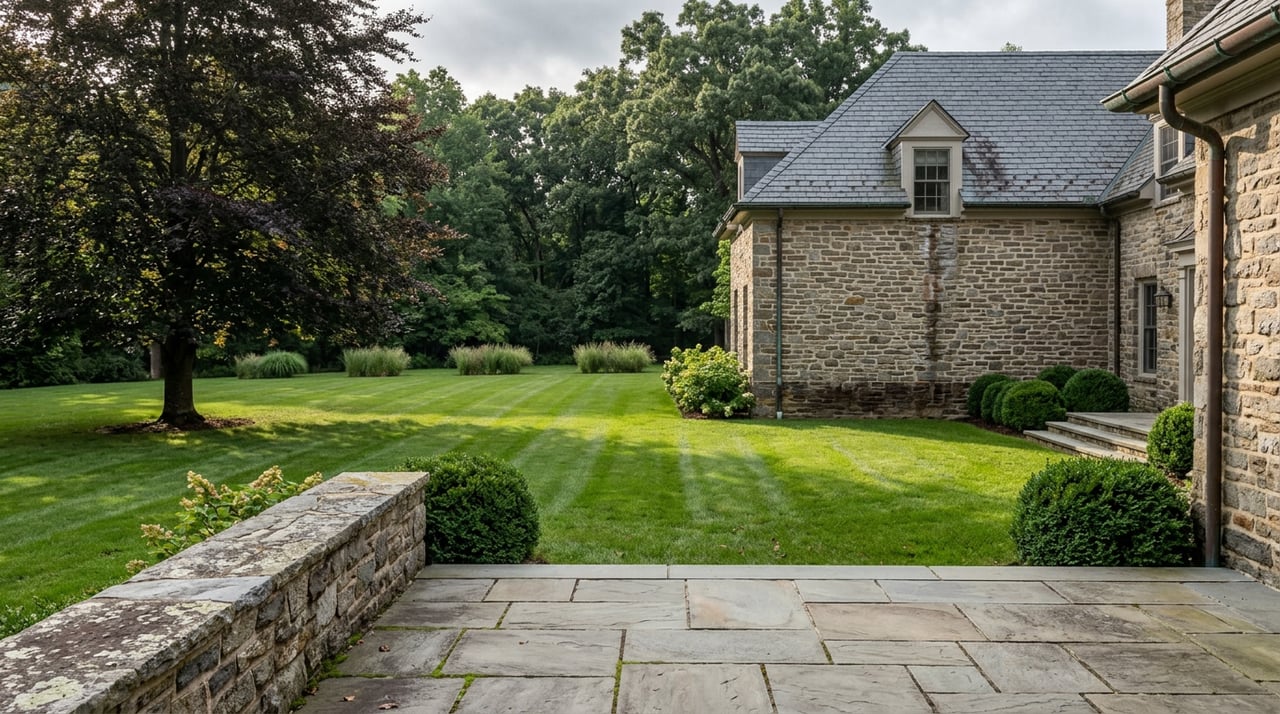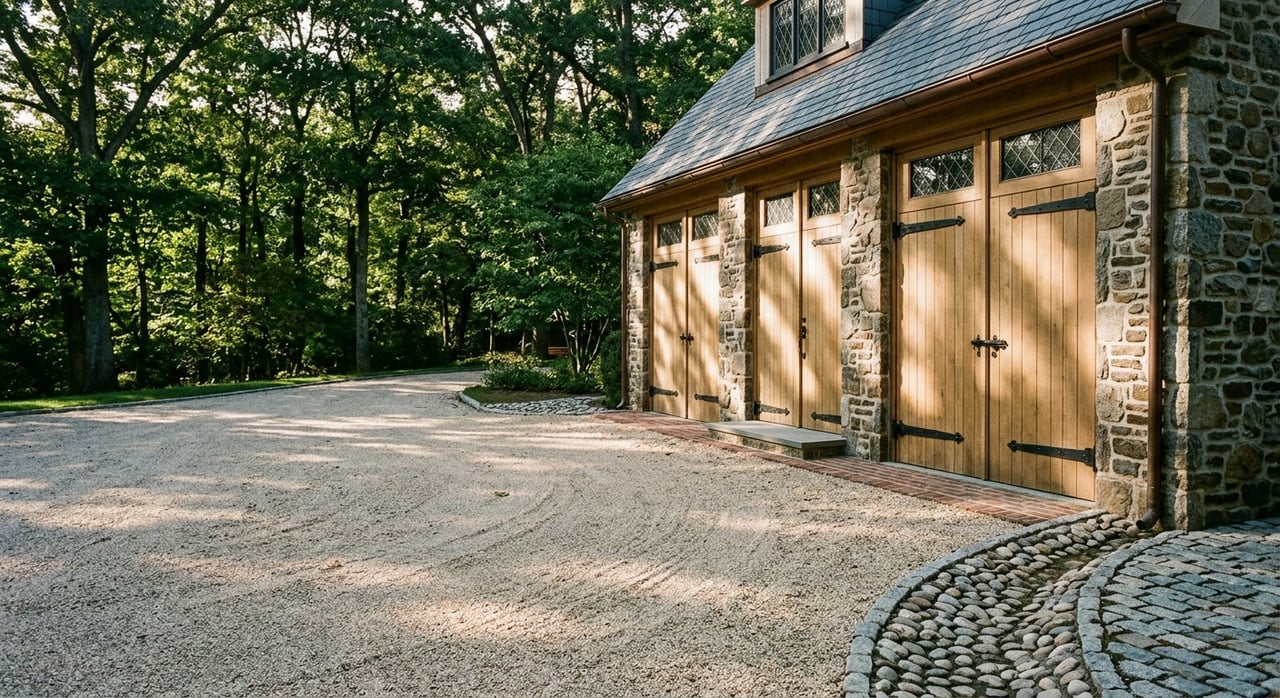
If you are shopping for an estate home in Solebury, the acreage number on the listing is only the beginning. A beautiful parcel can offer privacy, flexibility, and long-term value, but it can also come with limits that are not obvious from a casual tour. When you know how to evaluate land use, access, water, wastewater, and site constraints, you can make a much smarter decision. Let’s dive in.
Why acreage in Solebury needs a closer look
In Solebury, buying an estate property is as much about the land as it is about the house. The key question is not simply how many acres a property has, but how much of that land is actually usable for your goals.
Township standards protect features such as steep slopes, floodplain areas, carbonate geology, riparian corridors, and productive agricultural soils. That means the most attractive portion of a parcel may not be the easiest place to expand, add outdoor amenities, or place outbuildings later.
For many buyers, this is where expectations and reality can diverge. A property may feel expansive on first impression, yet the practical building envelope may be much smaller once setbacks, natural-resource limits, and site conditions are considered.
Focus on the buildable envelope
Usable land matters more than raw acreage
A 10-acre parcel and a 10-acre parcel do not offer the same opportunities. In Solebury, Class III steep slopes cannot be altered, graded, cleared, or built upon, and floodplain areas must comply with the township floodplain ordinance.
Accessory uses and buildings also cannot be placed in drainage swales or basins. So if you are picturing a pool, guest structure, expanded terrace, or barn, you need to understand where those improvements can legally and practically go.
Privacy is not just about trees
Privacy on an estate property comes from a mix of topography, setbacks, and constrained land, not just screening. A parcel can feel wonderfully secluded because of the way the land sits, yet still offer limited flexibility for future changes.
This matters if you want room to adapt the property over time. The best estate properties usually combine a strong sense of privacy with a coherent, usable building site.
Historic context can shape your options
Solebury has six historic districts, and its Historic Architectural Review Board reviews projects in Carversville and Phillips Mill. The township states that proposed renovations and new construction in those areas must be reviewed for historic and architectural integrity.
The township’s comprehensive plan also notes a 175-foot setback around the boundaries of village areas on the National Register. If a property is near one of these areas, that historic context can affect what you can build, where you can place it, and how long approvals may take.
For a buyer, this does not automatically mean a deal is less attractive. It simply means the property should be evaluated with a clear understanding of its legal and design framework.
Water and septic are central to value
Most properties rely on private systems
In Solebury, only a small portion along Route 202 is connected to public sewer. Most properties depend on septic tanks on individual lots, and most residents get drinking water directly from ground wells.
That makes well and septic due diligence a core part of evaluating an estate home. On a larger property, these systems are not background details. They are part of the property’s day-to-day function and long-term value.
What to verify before you commit
Solebury requires its own well permit process, and Bucks County manages environmental health programs, including records related to septic systems and potable wells. The township’s Act 537 program also requires septic systems to be pumped and visually inspected every three years.
Before making an offer, it is wise to review:
- Septic pumping history
- Visual inspection records
- Well records
- Water test results
- Any permits tied to the current system
The township also notes that poor site location, steep slopes, poor soils, and a high water table are common causes of septic problems. On acreage, those issues can affect both present use and future plans.
Lifestyle use changes the conversation
If you want the property to function more like a farm or mixed-use acreage, planning matters even more. Bucks County Health advises that private well and septic requirements should be discussed during the planning stage for that kind of use.
This is one reason estate buyers benefit from looking beyond the house itself. The land has to support the way you actually intend to live on it.
Access and driveways affect daily life
A long drive is part of ownership
A gated or winding drive can be one of the defining features of an estate home. It also comes with practical considerations that deserve attention before you buy.
Solebury defines an accessway broadly as a street, easement, or driveway. The township also maintains a separate road-occupancy application process, which can become relevant depending on the property and any planned changes.
Shared and private access should be reviewed carefully
Shared driveways for no more than two lots can straddle property lines if approved, while nonshared driveways must meet lot-line setback rules. If access is shared or based on an easement, review those documents carefully so you understand maintenance responsibilities and legal rights.
Winter access is another practical point. The township plows and salts township roads, but long or steep private drives still carry real maintenance obligations for the owner.
Outbuildings, horses, and hobby uses need planning
Estate buyers are often drawn to the flexibility of larger properties. A studio, garage building, pool house, stable, or hobby barn can make a property more enjoyable, but placement is regulated.
Solebury generally requires accessory use structures to be at least 15 feet from lot lines. Animal shelters or stables must be at least 125 feet from a lot line, and livestock or poultry buildings must be at least 100 feet from a lot line.
If you are considering horses or hobby farming, acreage should be treated as a use question, not just a marketing feature. The township ties animal counts to acreage and also sets standards for manure storage, shelters, and fencing.
That means a parcel may be large, but still not support the exact use pattern you have in mind. Matching your lifestyle goals to the property’s rules is essential.
How Solebury reviews land matters
The township’s Planning Commission uses Existing Resources and Site Analysis Plans and site visits in land-development review. Solebury also routes floodplain, road occupancy, subdivision and land-development, well, and HARB applications outside the standard permit portal.
For buyers, that is a useful signal. If your future plans involve grading, additions, stormwater work, a new well, or improvements near historic areas, the approval path may involve separate steps and added time.
This does not have to be a problem, but it should shape your timeline and expectations. A strong estate purchase is one where the property’s story matches its legal envelope.
A smart due diligence checklist
Before you move forward on a Solebury acreage or estate property, ask for clear documentation. The goal is to understand not only what exists today, but also what the property can realistically support tomorrow.
Key items to request include:
- Zoning district information
- Floodplain status
- Septic pumping history
- Well records and test results
- Driveway or easement documents
- Any HARB approvals
- Any subdivision or land-development approvals
You should also confirm whether your future plans could trigger grading, stormwater, floodplain, or well-related approvals. In Solebury, those details can materially affect cost, timing, and flexibility.
What makes an estate property easier to live on
The cleanest estate candidates usually share a few practical traits. They have a sensible building site, reliable water and septic capacity, workable driveway geometry, and room for outbuildings without constant zoning friction.
That is the real difference between a beautiful parcel and a property that truly supports your lifestyle. In Solebury, acreage value depends on how land, access, infrastructure, and regulation fit together.
When you evaluate estate homes this way, you are far more likely to buy with confidence. And if you are comparing several high-end properties, this approach helps you separate the ones that are simply impressive from the ones that are genuinely workable.
If you are considering a distinctive property in Solebury or the surrounding Bucks County market, working with an advisor who understands land, architecture, and the nuances of estate ownership can make the process much clearer. To discuss your goals, connect with Laurie Madaus.
FAQs
What should you check first when evaluating acreage in Solebury?
- Start by confirming how much of the parcel is actually usable, including any steep slopes, floodplain areas, drainage features, and other land-use constraints.
Why are wells and septic systems so important for Solebury estate homes?
- Most Solebury properties rely on private wells and on-lot septic systems, so records, inspections, pumping history, and water testing are essential parts of due diligence.
Do historic district rules affect estate properties in Solebury?
- Yes. If a property is in or near certain historic areas such as Carversville or Phillips Mill, renovations or new construction may require additional review for historic and architectural integrity.
Can you add a barn or other outbuilding on a Solebury acreage property?
- Possibly, but placement is regulated by setback and use rules, so you should verify where accessory structures, stables, or livestock buildings can be located before making plans.
What documents should you request before making an offer on a Solebury estate home?
- Ask for zoning information, floodplain status, septic and well records, water test results, driveway or easement documents, and any HARB or land-development approvals.