Are you picturing mornings when you can walk to coffee and dinner, or do you see yourself pulling into a long driveway with open space all around you? If you are considering New Hope, that choice shapes far more than your view. The right setting affects your daily routine, your maintenance responsibilities, and the kind of home experience you will enjoy most. Here is how to think through in-town versus country living in and around New Hope with clarity and confidence.
New Hope offers two distinct lifestyles
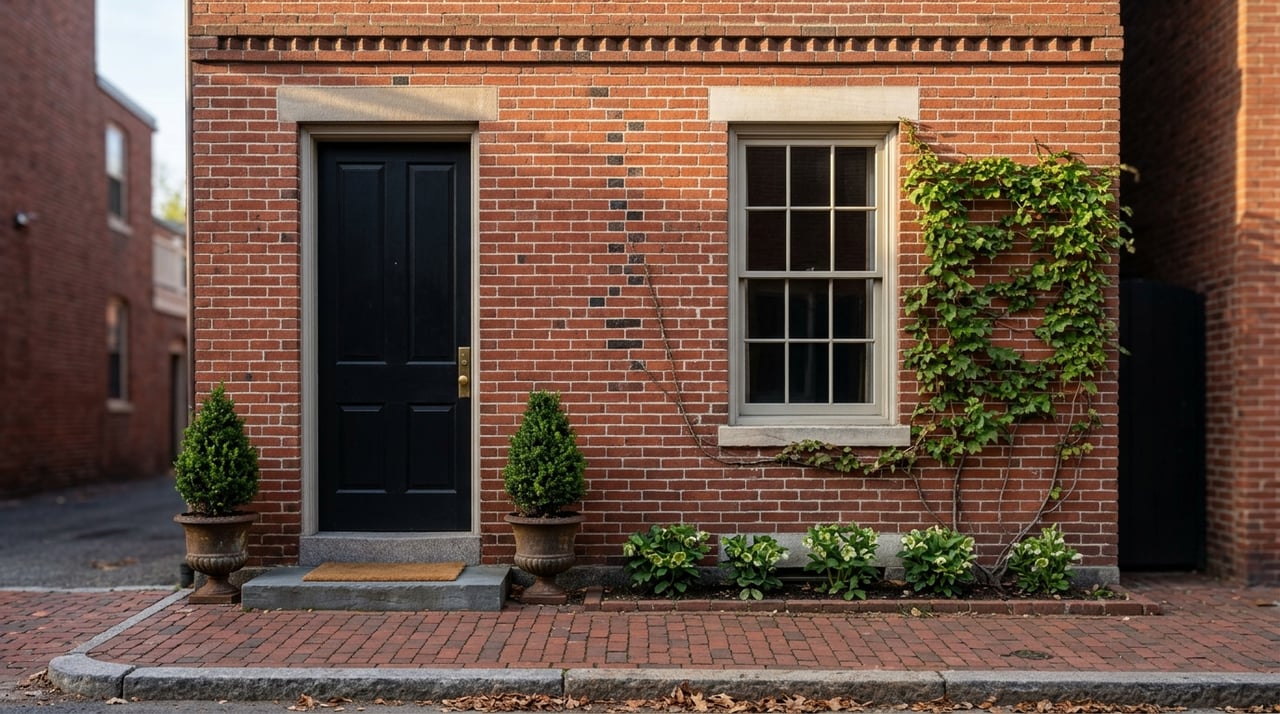
New Hope gives you two very different ways to live within the same broader market. In-town living centers on New Hope Borough, a compact area of about 1.25 square miles set above the Delaware River. The borough is known for its shops, cafes, nightlife, historic homes and inns, and lively riverfront setting.
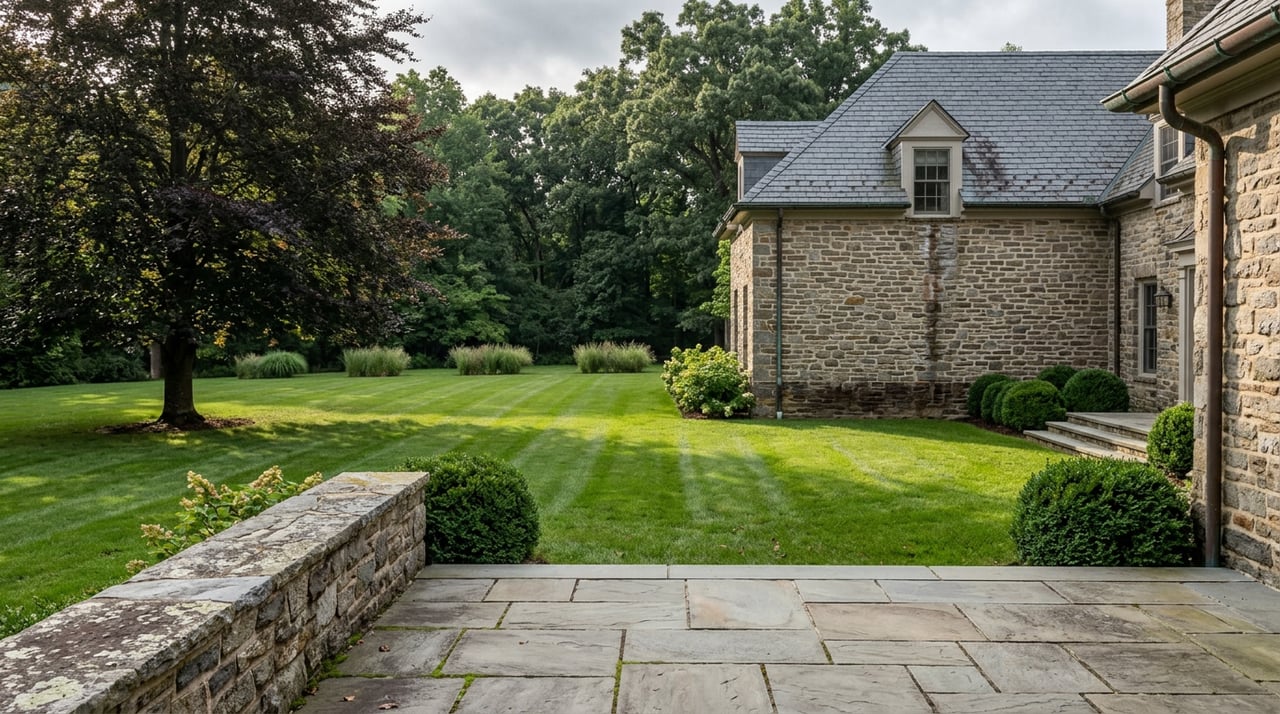
Just beyond town, the surrounding country setting is shaped largely by Solebury Township. Solebury describes itself as rural and preservation-oriented, with a landscape that includes small farms, estate lots, comfortable homes, open space, and protected land. The township reports that roughly 38.5% to 40% of its land is protected in some form, which helps preserve the area’s scenic character.
In-town New Hope: what daily life feels like
If you choose in-town New Hope, you are choosing proximity and energy. You can be close to restaurants, local shopping, nightlife, and the Delaware River, all within a compact historic setting. For many buyers, that easy access is the biggest draw.
The tradeoff is that you share space with residents, visitors, and weekend tourism. The borough notes that visitor activity rises on weekends, which can make town feel more active and more social. If you enjoy being near the action, that can be part of the appeal.
Walkability and convenience
One of the clearest advantages of borough living is walkability. Being able to step out for dinner, browse local shops, or spend time near the river can change your day-to-day routine in a meaningful way. You may find yourself driving less for leisure and enjoying more spontaneous outings.
That said, convenience in town often comes with structure. Parking is actively managed in the borough through on-street spaces and public or private lots, with pay-by-plate systems and enforcement from 10 a.m. to 9 p.m. seven days a week. The borough also offers year-round rental parking permits in several lots.
Historic character and preservation rules
In-town New Hope is especially appealing if you value architectural character. The historic district includes a wide range of styles, including Georgian, Colonial Vernacular, Federal, Italianate, Gothic Revival, French Second Empire, Queen Anne, Colonial Revival, Tudor Revival, American Four-Square, and Vernacular homes.
That character also comes with oversight. In the borough’s historic district, the Historical Architectural Review Board reviews exterior changes visible from public streets or ways. Depending on the work, property owners may need a Certificate of Appropriateness before making exterior alterations.
Traffic and shared public space
The borough’s historic layout creates charm, but it also affects how the town functions. Older parts of New Hope have narrow roadways, buildings close to the street, and limited room for road or parking expansion. Tourist traffic and through traffic are also part of the transportation picture.
For some buyers, that setting feels vibrant and connected. For others, it can feel busy, especially during popular weekends and evenings. It is important to picture not only the home itself, but also how you want your surroundings to feel on a regular basis.
Country living near New Hope: what changes
If you move outside the borough into the countryside around New Hope, the experience shifts quickly. You trade walkability for land, privacy, and a quieter rhythm. For many buyers, that change is exactly the goal.
Solebury’s preservation efforts help explain why the rural setting feels so distinct. Open space, farmland, scenic views, and natural resource protection all play a visible role in the landscape. Buyers drawn to this side of the market often prioritize setting just as much as the house itself.
More space and privacy
Country properties around New Hope are often less about one architectural style and more about how the home sits on the land. You may find farms, estate parcels, and homes with meaningful buffers from neighbors. If privacy matters to you, this can be a major advantage.
This setting also tends to support a calmer day-to-day environment. Instead of being steps from nightlife or foot traffic, you may be surrounded by mature trees, open fields, or preserved land. That quieter atmosphere is a major reason many buyers look beyond the borough.
More property systems to manage
The rural lifestyle is not just about beauty and space. It also usually means more responsibility. Solebury Township says most residents rely on ground wells for drinking water, and most wastewater is handled by septic systems on individual properties.
That makes due diligence especially important. In a country purchase, you will want to pay close attention to well quality, septic condition, and pumping or inspection history. Solebury also says septic systems should be pumped and visually inspected on a three-year cycle.
Preservation can still matter
Some buyers assume that once they leave town, preservation review disappears. That is not always the case. Solebury notes that nearby historic villages such as Carversville and Phillips Mill also have HARB review, so certain country addresses may still involve preservation considerations.
If you are considering renovations, additions, or visible exterior changes, that detail matters. The country setting may feel more flexible, but the specific property location still needs careful review.
Comparing the two settings
If you are deciding between the borough and the countryside, it helps to compare your real habits rather than your idealized ones. The best fit usually comes down to how you want to spend ordinary days, not just weekends.
| Lifestyle Factor | In-Town New Hope | Country Near New Hope |
|---|---|---|
| Daily feel | Social, active, walkable | Quiet, private, spread out |
| Home setting | Compact lots, village streets, historic fabric | Farms, estate parcels, open space, scenic buffers |
| Architecture | Strong historic character, varied classic styles | More setting-driven, with homes shaped by land and privacy |
| Parking and traffic | Managed parking, visitor activity, narrower roads | More driving, less shared public congestion |
| Property systems | More typical borough-style convenience | Wells and septic often require more attention |
| Oversight | Historic district review may apply | Some areas may still have preservation rules |
Commuting and access matter too
In the New Hope area, most commuting decisions are road-based. Regional access typically comes through I-95 and Route 32 from the Philadelphia direction, Route 202 from western and northern approaches, and Route 202 through the toll bridge for access from northern New Jersey.
If your routine includes crossing the river, the type of crossing matters. The New Hope-Lambertville bridge is the walkable downtown connection, and it sees more pedestrians than any other Delaware River span, with possible crowding on summer evenings. By contrast, the Route 202 bridge between Delaware Township, New Jersey, and Solebury Township, Pennsylvania, has no bicycle or pedestrian access.
That difference can shape your choice more than you might expect. If you want to walk between New Hope and Lambertville as part of your lifestyle, in-town living supports that far better. If your routine is mostly car-based, a country location may feel just as practical.
Which buyers tend to prefer each option?
Broadly speaking, in-town New Hope tends to fit buyers who want historic character, riverfront energy, walkability, and a more social day-to-day environment. These buyers are usually comfortable with parking rules, periodic traffic, weekend activity, and preservation oversight.
Country living tends to fit buyers who want acreage, privacy, scenic views, and a quieter pace. These buyers are usually comfortable with more driving and with managing wells, septic systems, and broader property upkeep.
Neither choice is inherently better. It is really a question of alignment. The strongest purchase decisions happen when the property matches the way you actually want to live.
How to choose with confidence
If you are unsure, start by thinking through your non-negotiables. Do you want to walk to dinner, or do you want land and separation? Do you enjoy the energy of a destination town, or do you want your home life to feel more tucked away?
It also helps to think beyond the house itself. Architectural character, preservation rules, parking patterns, utility systems, and commuting routes all affect long-term satisfaction. In a market as nuanced as New Hope and Solebury, those details matter.
A thoughtful advisor can help you compare not just prices and finishes, but the full lifestyle implications of each setting. For distinctive homes, historic properties, farms, and country residences, that level of guidance can make your decision much clearer.
If you are weighing in-town versus country living around New Hope, Laurie Madaus can help you evaluate the tradeoffs, understand the character of each setting, and make a move with strategy and confidence.
FAQs
What is the difference between in-town and country living in New Hope?
- In-town New Hope offers walkability, historic character, shops, restaurants, nightlife, and a more active setting, while country living around New Hope offers more land, privacy, scenic views, and a quieter pace.
What should buyers know about historic homes in New Hope Borough?
- Buyers should know that New Hope’s historic district includes many architectural styles and that exterior changes visible from public streets or ways may require review by the borough’s Historical Architectural Review Board.
What should buyers know about wells and septic systems near New Hope?
- In much of Solebury Township, drinking water comes from ground wells and wastewater is handled by individual septic systems, so condition, inspection history, and maintenance schedules are important parts of rural due diligence.
Is parking harder in New Hope Borough?
- Parking in the borough is more structured because it includes managed on-street spaces and public or private lots, with enforcement in place seven days a week from 10 a.m. to 9 p.m.
Is country living near New Hope always free from preservation rules?
- No, some country locations near New Hope, including nearby historic villages such as Carversville and Phillips Mill, may still involve preservation review for certain exterior changes.
Is New Hope a good fit if you commute by car?
- New Hope is primarily road-connected, so car-based commuting is central for many residents, whether you live in town or in the surrounding countryside.